
One of the biggest advantages...
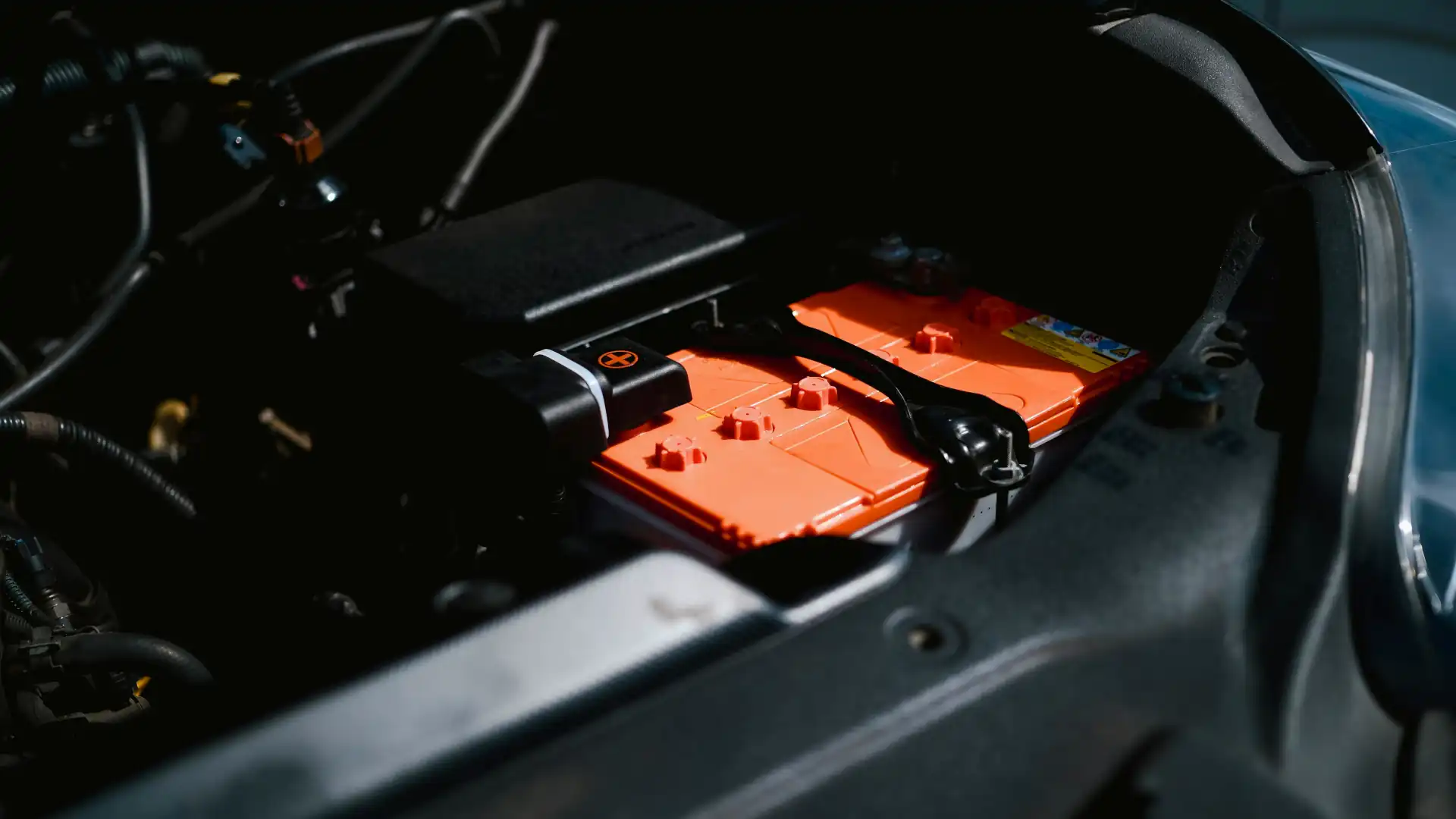
One of the biggest advantages of owning a hybrid is that the battery rarely fails without warning. Unlike a flat car battery that leaves you stranded overnight, a deteriorating hybrid battery tends to give plenty of signals before things get serious.
The problem is that many of those signals are easy to dismiss. A slight drop in fuel economy here, a warning light that flickers and disappears there. If you’re a Toyota Prius, Toyota Aqua, or other hybrid owner on the North Shore, knowing when to replace a hybrid battery before it fails completely can save you from a much bigger repair bill down the track.
Here are the key warning signs to watch for.
1. Your Fuel Efficiency Has Dropped Noticeablybat
This is usually the first sign something is wrong. Hybrids are designed to use the electric motor to assist the petrol engine, especially in stop-start city driving. When the hybrid battery starts to degrade, it can’t store or deliver charge as effectively, which means the petrol engine has to work harder, and you’re spending more at the pump.
If you’ve noticed you’re filling up more often than usual without any obvious change in your driving habits or routes, that’s worth investigating. With petrol prices regularly sitting above $3 per litre across New Zealand, a degrading battery can quietly cost you hundreds of dollars a year in extra fuel before you realise what’s happening.
2. The Hybrid Battery Warning Light Is On
Modern hybrids are fitted with an onboard diagnostic system that monitors battery health. If your hybrid battery warning light comes on (often displayed as a battery symbol or a ‘Ready’ light that won’t illuminate). Don’t ignore it.

Warning lights don’t always mean immediate disaster. Sometimes they’re triggered by a single weak cell in the battery pack, a cooling system fault, or a sensor issue that can be resolved without a full replacement. But the only way to know for certain is a proper diagnostic scan.
At Autoland, we use specialised hybrid diagnostic tools to read exactly what the fault code is telling us, so you get a clear picture of what’s going on rather than guessing. Learn more about our hybrid servicing.
3. The Battery Charge Fluctuates Erratically
Take a look at the battery charge indicator on your dashboard during a normal drive. In a healthy hybrid, the charge level should move in a fairly predictable pattern – building up during braking and coasting, then gradually drawn down when the electric motor is in use.
If you notice the charge jumping rapidly up and down, dropping to zero and suddenly recovering, or sitting at the same level regardless of how you’re driving, that’s a classic sign of cell imbalance within the battery pack. Individual cells are degrading at different rates, making the pack unreliable overall.
4. Sluggish Acceleration or Reduced Power
Hybrids use the electric motor to provide instant torque, particularly when pulling away from a stop or during low-speed driving. If your car feels noticeably slower to respond when you accelerate, or it’s struggling on hills that it used to handle easily, the hybrid battery may not be delivering the power the system expects.
For North Shore drivers navigating the hills around Albany, Sunnynook, and the wider Auckland area, this can be a particularly noticeable symptom. A vehicle that used to feel responsive now requires more throttle to maintain speed.
5. The Petrol Engine Runs More Than Usual
In normal operation, your hybrid’s petrol engine should switch off fairly regularly, particularly during low-speed or stationary driving. If you notice the engine running almost constantly, even in slow traffic or at a standstill, the system is compensating for a battery that can’t carry its share of the load.
This is closely related to the fuel efficiency drop mentioned above, but it’s a useful separate observation. If your hybrid is behaving more like a normal petrol car, something is preventing the electric side of the system from doing its job.
6. Unusual Noise from the Battery Cooling Fan
Hybrid batteries generate heat during use and rely on a cooling fan to stay within a safe operating temperature. If that fan is running louder than usual, running constantly, or making an unusual sound, it can indicate the battery is working harder than it should be or that the cooling system itself needs attention.
A blocked or failing battery cooling system can accelerate battery degradation significantly, particularly during warmer months. Keeping cooling vents clear is one of the simplest things you can do to extend battery life – something our team checks as part of every hybrid service.
7. Your Vehicle Fails or Struggles to Start in ‘Ready’ Mode
When you press the power button on a hybrid, the ‘Ready’ light should appear quickly and consistently. If the car hesitates, takes multiple attempts, or the Ready light doesn’t come on at all, the high-voltage battery may be too depleted or too degraded to initialise the system properly.
This is a more advanced symptom and usually means the battery has already deteriorated significantly. At this stage, a diagnostic is urgent. Continued driving can put additional strain on other components in the hybrid system.
When to Replace a Hybrid Battery vs When to Repair It
Not every failing battery needs a full replacement. Hybrid batteries are made up of multiple individual cells, and in some cases only a small number of those cells are causing the problem. Depending on the extent of the degradation, hybrid battery repair (replacing or rebalancing individual cells) may be a more cost-effective solution.
As a general guide:
- Early symptoms (slight fuel drop, occasional warning light): Diagnostic first. Repair may resolve it.
- Multiple symptoms together: More likely to need full replacement or significant cell work.
- Older vehicle with high km: Full replacement often gives better long-term reliability than cell repair.
A full hybrid battery replacement in NZ typically costs between $2,000 and $5,000 depending on the model and whether you opt for new or reconditioned. That’s a significant saving compared to buying a replacement vehicle. And in most cases, it gives your hybrid several more years of reliable motoring.
Get a Free Hybrid Battery Diagnostic at Autoland
If you’ve noticed any of the symptoms above, the best next step is a proper diagnostic, not a guess. At Autoland North Shore, we offer a free hybrid battery diagnostic so you can find out exactly what’s going on before committing to any repair.
Our experienced technicians use specialist hybrid diagnostic equipment to assess your battery’s health, identify any weak cells, and give you honest, straightforward advice on whether repair or replacement is the right call for your vehicle and budget.
We service all major hybrid models including the Toyota Prius, Toyota Aqua, and a wide range of other makes. Conveniently located in Rosedale, Mairangi Bay, we’re easy to reach from across Albany, Sunnynook, and the wider North Shore.
Book your free hybrid battery diagnostic at Autoland today. Don’t wait for a warning light to become a breakdown. A quick check now could save you thousands later.